Preakness Stakes vs European Classics: Key Differences in Race Dynamics
Elite flat racing may share a global stage, yet its character shifts depending on where you stand. The Preakness Stakes, part of the American Triple Crown, presents a very different spectacle from Europe’s Classics like the Epsom Derby or the 2,000 Guineas.
Each race tests three-year-olds at the highest level, though their demands reflect contrasting philosophies shaped by tradition, terrain, and tempo. Look at pace, surface, and preparation, and you begin to see not just different races, but different ways of defining greatness.
The Preakness & its unique rhythm
Few races unfold like the Preakness Stakes, where tight turns, sharp positioning, and a relentless tempo define the test. Run over 1 3/16 miles on dirt, (1m 1/2f) it rewards horses that seize early momentum and sustain it under pressure.
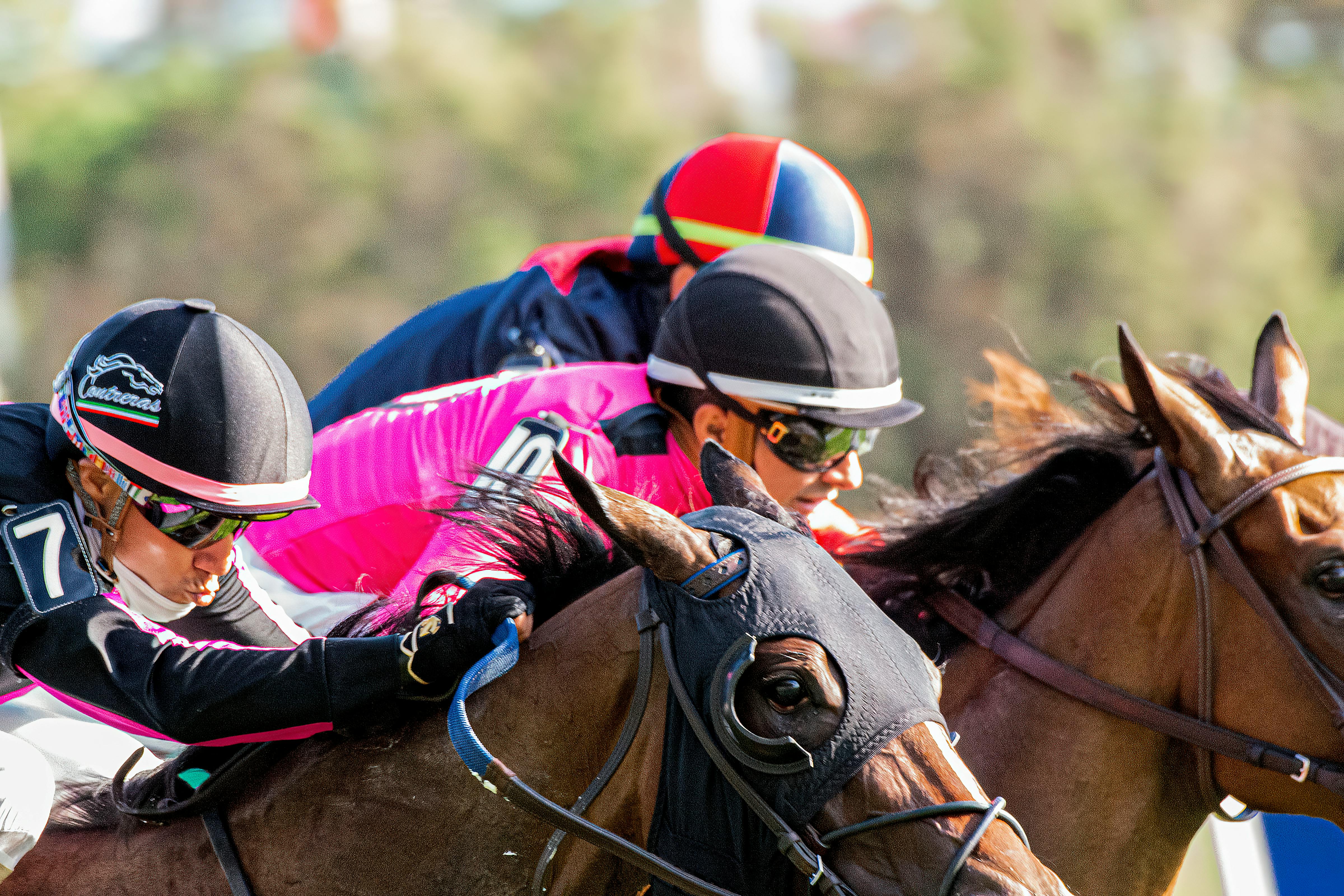
Positioning into the first turn often defines the race before it has truly settled. Jockeys know there is little time to recover from hesitation. On a tight oval, early positioning often sets the race shape. A slow break or a wide trip can be decisive.
That intensity shapes how the race is followed, with focus on pace, front-runners, and how the field may form early. Many turn to Preakness betting at FanDuel to explore contenders, race timing, and how the event is taking shape ahead of the start.
A defining feature sits just beyond the race itself, the two-week turnaround from the Kentucky Derby. Recovery becomes part of the story. You are not just watching speed, but resilience under a compressed schedule.
Track design and distance across Europe
Step across the Atlantic, and the landscape changes immediately. European Classics are not bound by uniformity; they embrace variation. Each race presents a distinct test shaped by its course, distance, and terrain.
Courses that demand adaptability:
● Epsom Derby: A sweeping test with cambers, climbs, and Tattenham Corner's sweeping downhill bend
● 2,000 Guineas: A straight mile at Newmarket where no rail guides positioning
● The Curragh (Irish Derby): A long, rising finish that exposes stamina.
Each track asks a different question. Balance matters at Epsom. Judgement becomes critical at Newmarket. Endurance defines the Curragh. Together, they highlight how versatility is central to European success.
Distance plays its part as well. Many European Classics run beyond the Preakness trip, shifting emphasis from speed to stamina. Horses must not only stay but adapt, sometimes within the same race.
Surface differences
Surface remains one of the clearest dividing lines between American and European racing.
Dirt Racing in the Preakness
Dirt racing at the Preakness is fast and consistent underfoot, creating a surface where positioning quickly becomes decisive. Kickback can hinder horses running behind, making it difficult to mount a late challenge from deep in the field. This environment rewards decisiveness. Horses that secure a forward position early tend to stay involved, while late surges are possible but rarely come from far back.
Turf Racing in Europe
Ground conditions can vary from firm to heavy, with weather playing a central role in shaping how races unfold. These shifting conditions mean timing and acceleration often become decisive factors rather than raw speed alone. A softer surface can turn the race into a test of endurance, while firmer ground favours a sharper turn of foot. You are not just assessing horses, you are reading conditions.
Pace and Tactical Contrasts
Once you understand the environment, the differences in race rhythm become clearer.
American Style: Speed from the Start
The Preakness often unfolds at a brisk tempo. Leaders press forward early, while stalkers sit close, waiting for the right moment. This early pressure leaves little room for hesitation or recovery. The idea is simple: control the race before it controls you. This creates a contest where positioning from the start can strongly influence the outcome.
European Style: Patience and Timing
European Classics tend to build gradually. Early fractions can feel measured, even restrained. Energy conservation becomes a central part of race strategy. The race truly begins in the final furlongs, when jockeys ask for that decisive burst. This slower build-up often rewards patience over early aggression. By contrast to the American model, front-runners who retain the advantage are considered "brave" and receive disproportionate praise.
Field Size and Movement
Field size shapes race flow. Smaller Preakness fields allow cleaner positioning, while larger European fields create congestion and tactical complexity. In Europe, jockeys search for space, while in the Preakness, the focus is on securing position early. These structural differences heavily influence race tactics from the outset.
Training and Preparation Philosophies
Behind every race lies a preparation model that shapes how horses perform.
United States Approach
American training centres on the racetrack, with horses working on dirt in short, high-intensity bursts that mirror race conditions. This builds early speed and sharpens readiness for fast-paced competition. The Triple Crown schedule demands durability, with the Preakness just two weeks after the Derby. Horses must recover quickly while maintaining peak form.
European Approach
European trainers favour variety. Gallops across rolling terrain build stamina and balance. This approach reflects long-standing regional training traditions. Campaigns are spaced out, allowing horses to develop gradually and peak at the right moment. These differences are not accidental. They reflect long-standing traditions about what a racehorse should be, explosive and immediate, or patient and enduring.
European Classics in Contrast
The contrast becomes even clearer when viewed through specific races:
Race | Key Characteristics | What It Tests |
Epsom Derby | Epsom’s undulations test more than pace. Horses must handle shifts in elevation while maintaining rhythm | Balance, coordination, and the ability to hold form on uneven terrain where pure speed is not enough |
2,000 Guineas | At Newmarket, the absence of turns changes everything. Fields can split, and positioning is less guided by the rail | Spatial awareness and independent decision-making in open, straight-mile conditions |
Prix du Jockey Club | French racing often follows a “steady then sprint” pattern with a delayed acceleration phase | Timing and patience, with emphasis on delivering a late finishing burst |
Irish Derby | The Curragh features a demanding uphill run to the finish that builds steadily | Stamina and sustained finishing strength under prolonged pressure |
Different traditions, same elite stage
Racing at this level always comes down to excellence, though the path to that excellence varies. The Preakness Stakes rewards sharpness, speed, and the ability to cope with relentless pressure. European Classics celebrate patience, adaptability, and stamina over longer journeys.
Neither approach is superior. Each reveals a different dimension of the Thoroughbred. Together, they highlight the sport’s global diversity. When you watch both, you gain a fuller picture of the sport, one shaped as much by tradition and terrain as by the horses themselves.