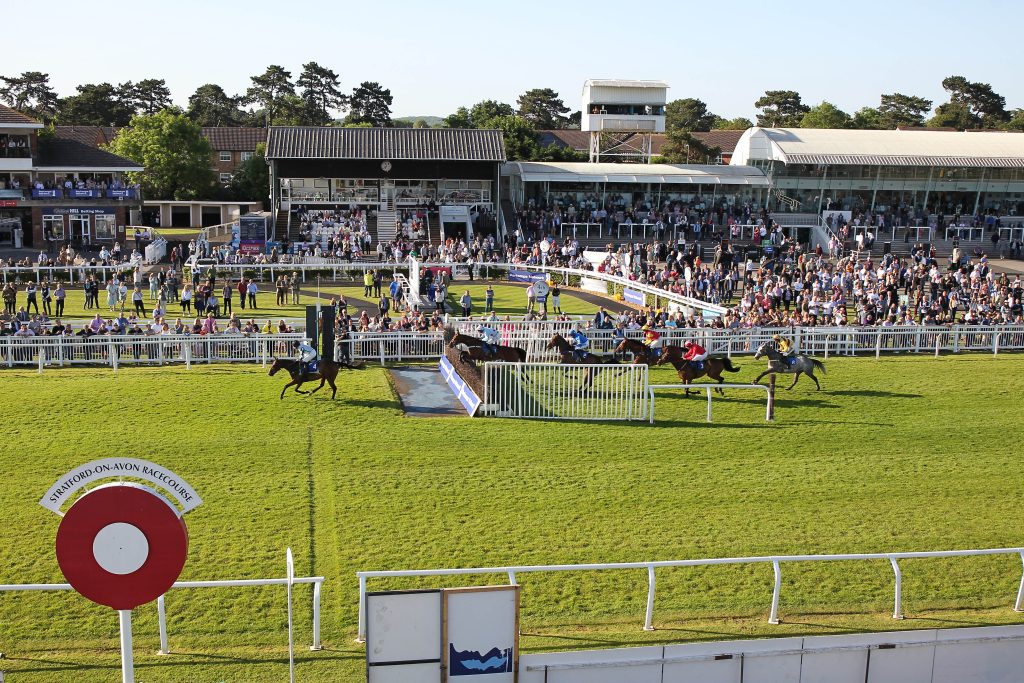
How Stratford Racecourse Generates Revenue Beyond Race Days
Stratford Racecourse was established in 1755, making it one of the UK’s oldest sporting venues. However, despite this, they only have around 15 racing days per year, so they’re closed for racing on more than 340 days on the calendar. The recent loss of the Hunter Chase evening due to the equine flu outbreak asks the question of how the racecourse can best sustain itself beyond racing.
For a racecourse that’s 270+ years old, it suggests that we are still commercially viable for the rest of the year. And so we are. We’ve built a sustainable revenue model that generates revenue all year, regardless of whether the races are on or not.
How we generate revenue all year round
Hospitality plays a large role here. Stratford offers a premium hospitality package, including private boxes, the Gallery Restaurant, the Champagne Bar, and trackside dining.
On race days, this often turns single tickets into corporate bookings. As a result, it goes from a single ticket sold to tens or hundreds of tickets. When it comes to non-race days, these facilities are highly desirable. Weddings, corporate conferences, awards dinners, and private events tend to get hosted here, convenient to the town centre and with free parking - a rarity nowadays.
Sponsorship deals are another major income stream. Stratford offers brands a chance to name a race after their company, appear on the racecard, get called out on the public address system, or get broadcast on Racing TV. Whilst this tends to be concentric around racedays, much sponsorship is built across a season, not reliant upon an individual day.
The membership programme adds another layer. Members of the course get exclusive benefits at 40+ racecourses across the UK once signed up. This annual subscription is a healthy bump in revenue for the race club, and offers the most fabulous value totalling more than two days' racing every week for those with time to indulge themselves.
Themed promotions are another revenue stream. Stratford runs themed days like Family Day, Ladies Day, and Evening Meetings, with competitions like the 'Best Dressed' style awards offering prizes like spa days and racecourse tickets. The same approach is used elsewhere in the UK leisure industry, like when bingo platforms offer special deals for one-time events. Many platforms offer similar leaderboard tournaments, with one example offering a top prize offer of £1000.
And only the most short-sighted of spectators can have failed to notice a touring caravan site that operates for 10 months of the year, providing a cheaper accommodation solution for tourist visitors to Shakespeare's back garden.
The site is also given over to several marquee public events each year, which hire the entire site for their own purpose.
Why the model works
The model works because the racecourse has fixed costs. A racecourse pays for ground maintenance, security, staff, and infrastructure, regardless of whether it’s a race day or not.
As a result, we use variable revenue pathways to cover the fixed costs. Using streams split across hospitality, sponsorships, memberships, events, corporate hires, etc., turns a 15-day-a-year operation into something closer to a year-round business.
Small to medium-sized racecourses like Stratford can’t just rely on race-day income. Although it’s most certainly the highest revenue driver, we need revenue to come in the other 200+ days a year.
We are simply using what we already have available as well. We have the facilities to offer such things as private events or dinners. Therefore, we use them to help diversify our revenue streams to make running the racecourse much productive, and often to introduce visitors to a hidden gem on their doorstep.
The future of Stratford's revenue model
The trajectory of Stratford looks reasonably steady. With UK horse racing as a whole generating £108.9 million in betting levy revenue in 2024/2025, traditional revenue from betting is diminishing in favour of alternative revenue streams - a scenario hardly unique as venue operators in France and the USA will confirm.
Recent changes to Britain's fiscal arrangements with the betting sector, whilst ostensibly protecting racing, have resulted in budget tightening among bookmakers, notwithstanding a cost-of-living crisis amongst Joe Public, so it's far from plain sailing.
But racing is a sport with an enduring appeal, and a very loyal audience, and through expedient diversification, we are spreading our risk.
We have confidence that we will be here for another 250 years yet for you spectators to enjoy.